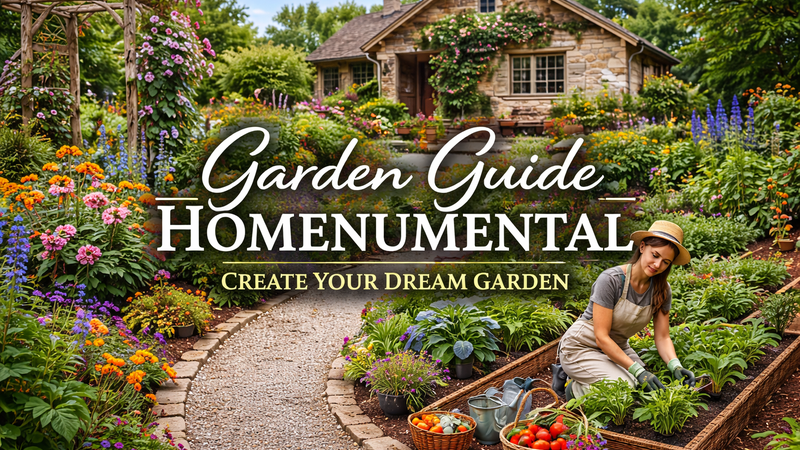
The Garden Guide Homenumental teaches you how to create a home garden that is both beautiful and meaningful. Whether you have a spacious backyard, a cosy balcony, or just a few pots by your window, this guide helps you design, plant, and maintain a garden that reflects your personality, nurtures nature, and brings peace and joy to your home.
With the Garden Guide Homenumental approach, your garden becomes more than decoration—it transforms into a living, evolving part of your home. This concept focuses on creating spaces that are visually stunning, sustainable, and deeply connected to your lifestyle.
In this guide, you will discover everything you need to know about planning, designing, planting, and maintaining a garden that truly embodies the homenumental philosophy.
What Is Garden Guide Homenumental?
The term Homenumental combines the words home and monumental. It represents the idea that your garden should be more than a small outdoor area—it should become a memorable and valuable part of your home.
A homenumental garden focuses on:
- Beauty and visual harmony
- Practical use of space
- Environmental sustainability
- Personal comfort and relaxation
- Long-term garden health
In simple words, Garden Guide Homenumental means creating a garden that is beautiful, meaningful, and easy to maintain while staying connected to nature.
Why Having a Home Garden Is Important
Home gardening offers many benefits that go far beyond decoration. It improves both your environment and your well-being.
1. Reduces Stress
Spending time with plants helps calm the mind. Gardening is known to reduce stress and improve mood.
2. Improves Air Quality
Plants naturally filter the air and increase oxygen levels around your home.
3. Provides Fresh Food
Growing vegetables, fruits, and herbs gives you access to fresh and chemical-free produce.
4. Enhances Home Beauty
A well-designed garden adds charm and value to your home.
5. Encourages Healthy Living
Gardening is a physical activity that keeps you active and connected with nature.
The Garden Guide Homenumental philosophy focuses on combining all these benefits into one thoughtfully designed space.
Understanding Your Garden Space
Before planting anything, it is important to study your garden environment. Every garden is different, and understanding your space will help you make better decisions.
Sunlight
Observe how much sunlight your garden receives.
-
Full sun plants: need 6–8 hours of sunlight daily
-
Partial shade plants: need 3–5 hours
-
Shade plants: grow well with very little direct sunlight
Soil Type
Healthy soil is the foundation of every successful garden. Ideal soil should be loose, nutrient-rich, and able to retain moisture.
Common soil types include:
- Sandy soil (drains quickly)
- Clay soil (holds water)
- Loamy soil (best for most plants)
Loamy soil is considered the best because it balances moisture and nutrients.
Water Access
Make sure your garden area has easy access to water. Plants require consistent watering for healthy growth.
Climate Conditions
Temperature, rainfall, and wind patterns affect plant growth. Choosing plants suited to your local climate increases success.
Planning Your Garden Layout
A successful garden begins with good planning. Even a small garden can look stunning with the right layout.
Create Zones
Divide your garden into different sections, such as:
- Flower beds
- Vegetable garden
- Relaxation area
- Walkways
Add Pathways
Paths made of stones, gravel, or wood help people move through the garden without damaging plants.
Create a Focal Point
Every garden should have a centrepiece that draws attention. Examples include:
- A small fountain
- A decorative tree
- A sculpture
- A colourful flower bed
Balance and Proportion
Mix tall plants with shorter ones to create visual harmony.
The Garden Guide Homenumental approach emphasizes combining beauty with functionality.
Preparing the Soil for Planting
Healthy soil leads to healthy plants. Preparing your soil properly can make a big difference.
Steps to Improve Soil
Clear the area – remove weeds and debris.
Loosen the soil – dig 6–8 inches deep to improve airflow.
Add compost – mix organic matter to increase nutrients.
Check soil pH – most plants prefer slightly acidic to neutral soil.
Apply mulch – helps retain moisture and prevent weeds.
Organic compost made from kitchen waste is an excellent natural fertilizer.
Choosing the Right Plants
Plant selection is one of the most important steps in gardening. Choosing plants suited to your climate and soil will reduce maintenance and increase success.
Good Plants for Beginners
- Roses
- Lavender
- Aloe Vera
- Mint
- Basil
- Tomatoes
- Spinach
Tips for Plant Selection
- Choose plants that match your sunlight conditions.
- Avoid overcrowding plants.
- Mix flowering plants with green shrubs.
- Include seasonal plants for year-round color.
Native plants are often the best choice because they adapt easily to local conditions.
Proper Planting Techniques
Planting correctly ensures healthy growth.
Follow these steps:
Dig a hole twice as wide as the plant’s root ball.
Place the plant gently into the hole.
Fill the hole with soil and lightly press it down.
Water the plant thoroughly.
Add mulch around the base to retain moisture.
Proper spacing between plants is important so they have room to grow.
Watering Your Garden the Right Way
Water is essential for plant survival, but both overwatering and underwatering can harm plants.
Best Watering Practices
- Water early in the morning or late evening.
- Check soil moisture before watering.
- Avoid watering leaves excessively.
- Use drip irrigation or soaker hoses for efficiency.
Deep watering once or twice a week is often better than watering lightly every day.
Natural Fertilizing Methods
Plants need nutrients to grow strong and healthy. Organic fertilizers improve soil quality while protecting the environment.
Garden Guide Homenumental Natural Fertilizer Options
- Compost
- Cow manure
- Bone meal
- Fish emulsion
- Organic plant food
Fertilizing every 4–6 weeks during the growing season keeps plants healthy and productive.
Garden Guide Homenumental Natural Pest Control
Pests can damage plants, but harmful chemicals are not always necessary.
Eco-Friendly Pest Control Methods
- Neem oil spray
- Soap and water solution
- Companion planting
- Introducing beneficial insects like ladybugs
Plants like marigolds, basil, and mint naturally repel pests.
Using natural methods keeps your garden safe for children, pets, and wildlife.
Adding Decorative Elements to Your Garden
Plants are the main feature of a garden, but decorative elements enhance its beauty and comfort.
Garden Guide Homenumental Popular Garden Decorations
- Stone walkways
- Wooden benches
- Water fountains
- Solar garden lights
- Birdbaths
- Trellises and pergolas
Decorative features create a relaxing atmosphere and make your garden more inviting.
Sustainable Gardening Practices
The Garden Guide Homenumental concept strongly supports environmentally friendly gardening.
Simple Sustainable Ideas
- Collect rainwater for watering plants
- Compost kitchen waste
- Grow native plants
- Avoid chemical pesticides
- Plant trees for shade and air quality
Sustainable gardening protects nature while keeping your garden healthy.
Garden Guide Homenumental Seasonal Garden Care
Each season requires different gardening tasks.
Spring
- Plant seeds and flowers
- Fertilize soil
- Start regular watering
Summer
- Mulch soil
- Prune plants
- Control pests
Autumn
- Collect leaves for compost
- Plant bulbs for next year
- Trim plants
Winter
- Protect plants from frost
- Maintain tools
- Plan next season’s garden
Seasonal care ensures that your garden remains vibrant throughout the year.
Garden Guide Homenumental Gardening in Small Spaces
You do not need a large yard to enjoy gardening. Even small spaces can become beautiful gardens.
Small Garden Ideas
- Balcony gardening
- Vertical gardens
- Hanging planters
- Container gardening
Use pots with drainage holes and lightweight soil mixes for best results.
The Garden Guide Homenumental philosophy proves that creativity matters more than space.
Common Gardening Mistakes to Avoid
Many beginners make small mistakes that can affect plant growth.
Common Mistakes
- Overwatering plants
- Using poor-quality soil
- Planting too closely
- Ignoring sunlight requirements
- Neglecting pest problems
Learning from these mistakes helps you become a better gardener.
Creating a Relaxation Area in Your Garden
Your garden should also be a place where you can relax and enjoy nature.
Ideas for a peaceful garden corner:
- Comfortable seating or swing
- Soft outdoor lighting
- A small water fountain
- Climbing plants for shade
Spending time in your garden improves mental health and strengthens your connection with nature.
The Homenumental Gardening Philosophy
At its core, Garden Guide Homenumental is about creating gardens that feel meaningful and lasting. Instead of focusing only on plants, it encourages you to design a space that supports beauty, sustainability, and personal comfort.
A homenumental garden:
- Reflects your personality
- Supports local nature
- Provides relaxation and happiness
- Enhances your home’s beauty
It becomes a living space that grows with you over time.
Conclusion
Gardening is one of the most rewarding activities you can enjoy at home. With proper planning, the right plants, and consistent care, anyone can create a beautiful garden.
The Garden Guide Homenumental approach provides a complete roadmap for turning any outdoor or indoor space into a vibrant, peaceful, and meaningful garden. From soil preparation and plant selection to decoration and sustainability, every step helps build a garden that truly feels monumental.
Remember, gardening is not about perfection—it is about patience, creativity, and connection with nature. With time, your garden will grow into a place of beauty, relaxation, and inspiration. Visit my site for more details.